
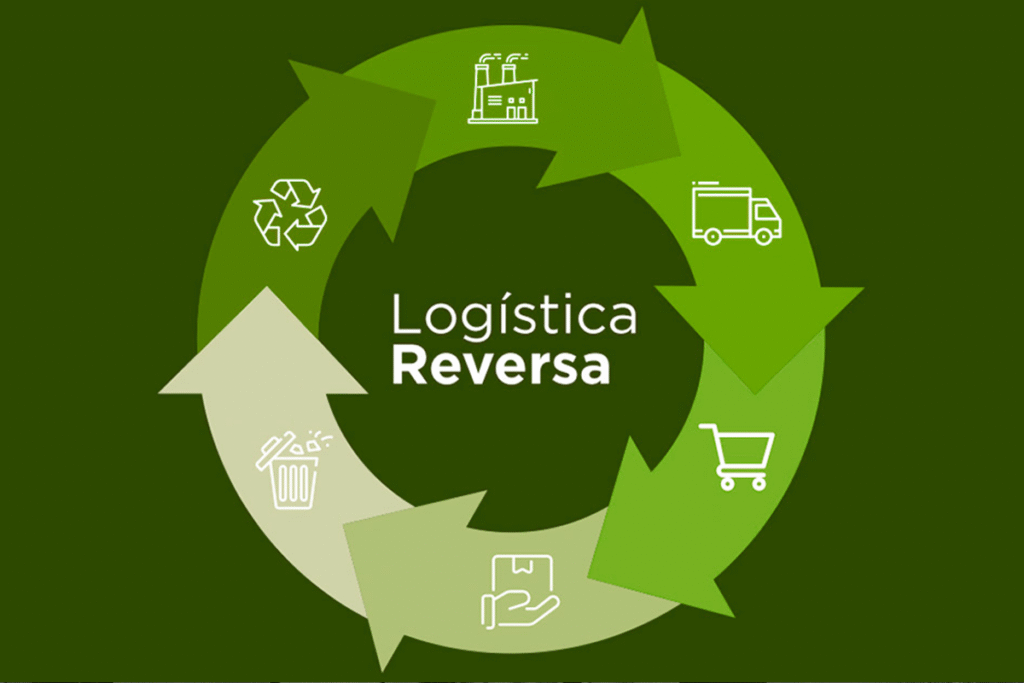
Reverse Logistics

Reverse Logistics

Reverse logistics is a process in which the product, after being used by the consumer, returns to the manufacturer or the responsible system to receive the proper disposal or reuse. This process involves the collection, transport and correct disposal of materials, ensuring that they do not cause environmental impacts. This scenario requires planning, implementation and control of the entire flow of materials. Companies and industries use reverse logistics to reduce environmental impacts, promoting sustainable practices related to the return and proper treatment of products and waste.

Importance

In the context of e-waste disposal, it is important that people consider reverse logistics when they get rid of this equipment. When disposal is carried out through this process, the inadequate destination of waste and the release of toxic materials in the air, soil and rivers are avoided. In addition, reverse logistics makes it possible to reuse resources, which is extremely relevant for the preservation of the environment.

Contributions

This practice also contributes to the promotion of the circular economy, in which waste becomes inputs for the manufacture of new products.

Consumers, companies and governments can integrate with such initiatives;
In this way, a network of shared and sustainable responsibility is strengthened;
Scroll to Top