
Environmental Racism
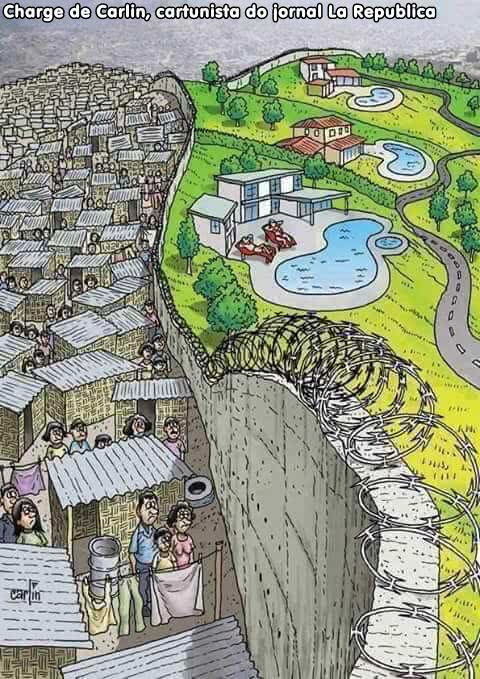
The improper disposal
Both in Brazil and in other developing countries, it is common for deposits due to e-waste, landfills, poorly designed, and the activities of the informal recycling-are located in remote areas or in areas that are occupied by vulnerable populations. In such areas, the burning of the cables, disconnection, manual equipment, and is in direct contact with heavy metals, exposing residents to harmful toxins such as mercury, lead, and cadmium, thus increasing the risk of respiratory disease, neurological disorders, and other health-related problems. Many times, these practices involve the informal labour, including child labour, the reinforcing cycles of social and economic inequality.
In addition to the issue of the environment…
In addition to this, the environmental racism can be seen in the lack of access to information, and for the selective and efficient public policies. As historic districts often rely on data and awareness-raising campaigns, the surrounding communities often remain on the margins of these initiatives. Thus, the problem of junk e-mail is no longer just an environmental and becomes a social and race, showing that the financial crisis and won’t affect everyone the same way.
The policies of the clash
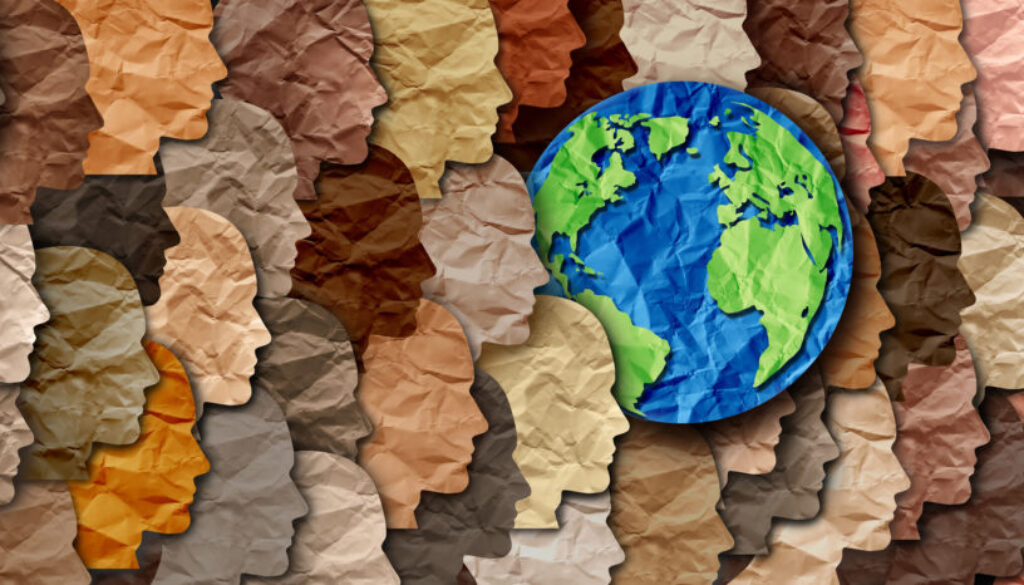
To tackle the environmental racism related to the junk e-mail requires more than technical solutions: it takes environmental justice. This means to ensure that public policies are inclusive, close monitoring, and the expansion of the reverse logistics, and environmental education to be accessible to all areas. Just the fact that all of the environmental impacts that are intersected by the inequities of the historical is it possible to build a model for the management of electronic waste, which is, in fact, more sustainable, and socially just.